


Dubai Humanitarian Hosts Annual Global Meeting, Spotlighting Impact And Advancing Future Humanitarian Priorities
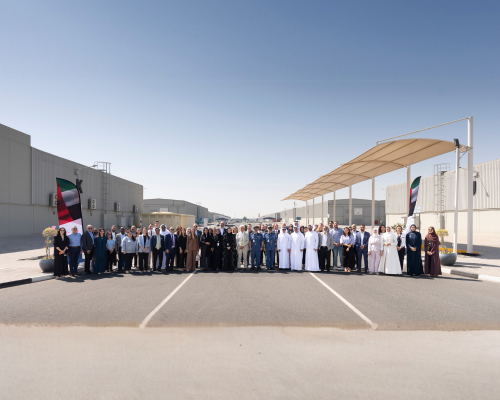
Dubai Humanitarian (DXBH) today held its annual Members’ Global Meeting (MGM), bringing together its global network of members, partners, and stakeholders to reflect on milestones over the past year, address evolving humanitarian challenges, and outline strategic priorities for the future.
Opening the session, Giuseppe Saba, CEO of Dubai Humanitarian, welcomed attendees and presented a comprehensive year-in-review, highlighting the organisation’s continued efforts to strengthen the resilience of humanitarian supply chains and enhance global response capabilities. The MGM convened over 80 members, alongside, representatives from government entities, private sector, international organisations, and academic partners.
This was followed by a high-level panel discussion titled “Dubai Humanitarian: Between Today and Tomorrow,” which explored operational resilience, lessons learned, and upcoming milestones. The session brought together key stakeholders, including representatives from Dubai Customs, Emirates, ACS, and UNHCR, the UN Refugee Agency, who discussed the importance of cross-sector collaboration in addressing complex global crises and ensuring timely aid delivery.
Commenting on the event, Giuseppe Saba said: “As the global humanitarian landscape grows more complex, our role is to enable faster, smarter, and more coordinated responses. Through the strength of our partnerships and the resilience of our ecosystem, Dubai Humanitarian is committed to shaping a future where aid reaches those in need more efficiently and with greater impact.”
A highlight of the MGM was the Dubai Humanitarian Awards Ceremony, recognising outstanding projects by member organisations across four key categories:
- Most Impactful Partnership: The Sparkle Foundation’s Namitembo Medical Outreach Programme, Malawi, addressing critical gaps in access to primary healthcare.
- Best SDGs-Focused Project/Initiative: Food Banking Regional Network’s Rooftop Plantation Project, Asmarat Community, Egypt, promoting food security and sustainable livelihoods.
- Best Innovation: SOS Children’s Villages International’s Gulf Area Office Youth-led Plastic Recycling Initiative across five African countries, transforming waste into economic opportunities.
- Most Engaging Campaign: The Citizens Foundation’s Obhartay Sitaray initiative, a community-driven fundraising model mobilising students and households to support education.
The MGM also highlighted Dubai Humanitarian’s collaboration with the American University in Dubai (AUD) through a capstone initiative, reflecting a commitment to fostering the next generation of humanitarian leaders and strengthening ties with academic institutions.
The meeting concluded with an open discussion, allowing members to share insights and contribute to the future direction. In his closing remarks, Saba reaffirmed Dubai Humanitarian’s commitment to driving innovation, strengthening partnerships, and advancing a global safety net for an impactful and sustainable humanitarian action worldwide.