


New Year, New Menus: Brits Want ‘Wellness At 30,000 Feet’ As Healthier Airline Food Tops Traveller Wishlists
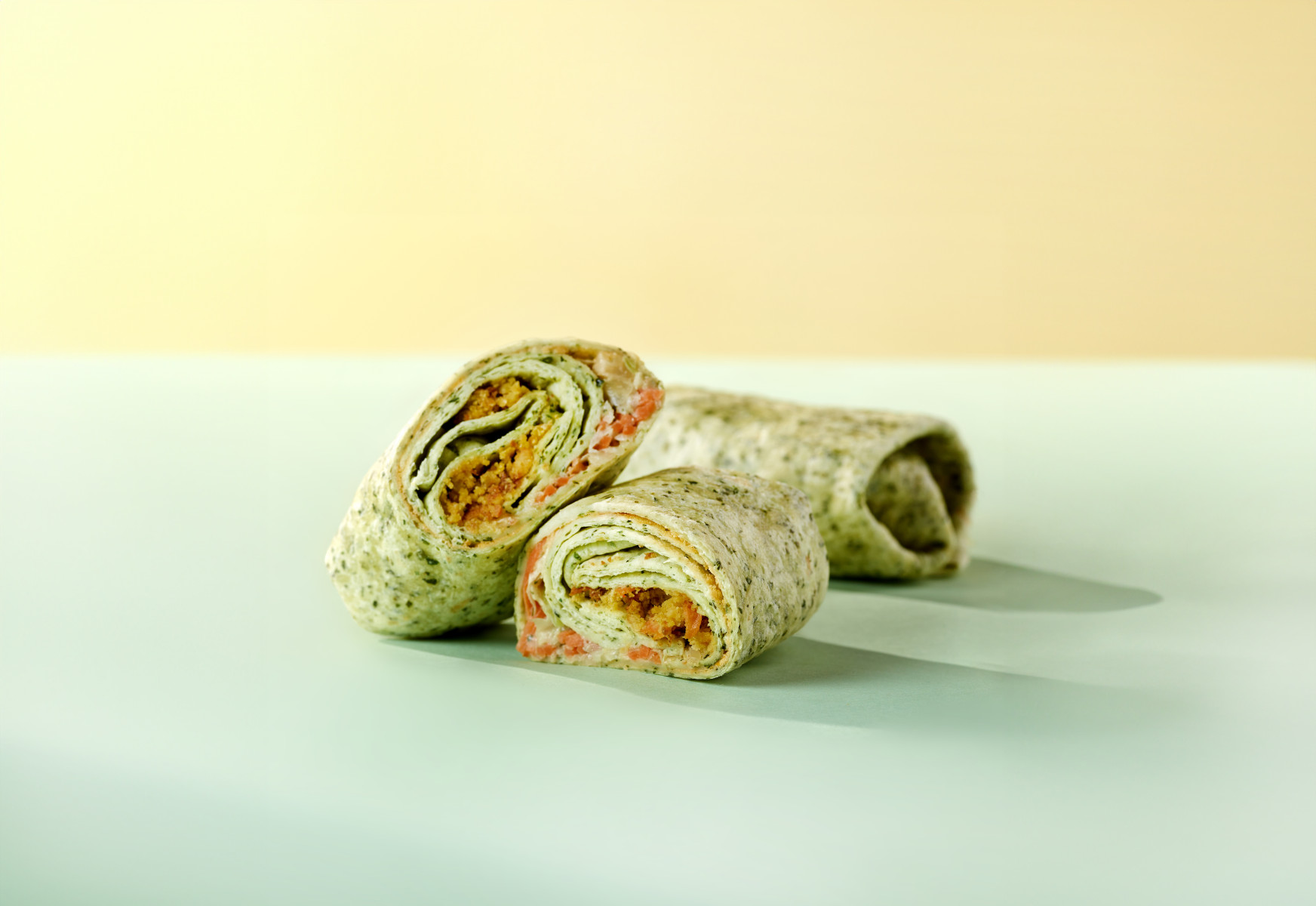
With the February half-term break approaching and families gearing up for travel and time away, Britons are extending their focus on healthier habits beyond the gym and kitchen — all the way to 30,000 feet.
A new survey by the catering and retail arm of dnata, one of the world’s largest travel and aviation service providers, reveals that nearly half of UK passengers now put health and wellbeing at the heart of their inflight choices, signalling a shift towards lighter, more functional food in the skies.
According to the nationwide poll of 2,000 adults, 47% of UK flyers surveyed are/would be more conscious of wellness over indulgence when selecting meals and drinks onboard than they were five years ago. More than half (56%) want fresh, minimally processed ingredients, while 50% say airlines should offer low-sugar or low-carb options to better reflect modern eating habits.
From hydration-focused menus to immune-supporting snacks, travellers are bringing the same expectations they set for themselves at the start of the year into their time in the air.
Wellness takes off
Health and wellbeing are increasingly shaping how passengers approach flying, with inflight food and drink now seen as part of a broader self-care routine. This is reflected in what travellers want to see onboard, with 53% calling for more hydrating food and drink options such as electrolyte water and vitamin-infused beverages, 45% looking for more protein-rich meals, and 46% wanting low-calorie or portion-controlled meals.
The rise of the functional flyer
The appetite for functional nutrition is taking off. Nearly one in five passengers (19%) said they would pay extra for inflight meals or drinks that support gut health or immunity, while around 41% say they have already swapped alcohol for juices or vitamin-infused beverages when flying.1
Younger travellers are leading this shift, steering the inflight experience towards a balance of health and enjoyment – favouring protein-forward meals, plant-based dishes, and beverages designed to hydrate and revitalise.
“Inflight dining is evolving just as fast as the passengers it serves,” said Robin Padgett, CEO of Catering & Retail at dnata. “Passengers are paying more attention to how meals make them feel during a journey, and wellness is becoming part of what a good travel experience looks like.”
Raising the bar on inflight wellbeing
While 46% agree airline food has improved in recent years, 41% believe wellness options still lag behind, highlighting an opportunity for airlines to continue evolving their menus.
With the UK’s functional food market now valued at more than £1.6 billion, consumer expectations are rising beyond taste alone to include nutrition, transparency and provenance.
Airline meals are increasingly being judged through the lens of everyday eating habits. From gut-friendly kombucha to balanced grain bowls and protein snacks, passengers want inflight menus to reflect how they eat in real life.
The future of food in flight
As passenger expectations continue to change, inflight catering is being shaped by a growing focus on balance, freshness and function, alongside the operational demands of serving food at altitude and at scale.
In the UK, dnata Catering & Retail operates at significant scale, serving 22 airline customers and producing around 20.5 million meals annually. The business supports more than 1,000 flights a day, with meals prepared by a team of 225 UK-based chefs working across dnata’s catering facilities nationwide. This footprint places dnata at the centre of evolving inflight food trends, offering a real-time view of how passenger expectations around health and wellness are shaping airline menus.
Drawing on consumer insight and industry experience, dnata Catering & Retail works with airline partners to understand how these preferences are influencing menu development and onboard offerings.
“Our research backs what we’re hearing across the industry,” Padgett added. “Passengers are embracing lighter, fresher, more functional meals, and airlines are increasingly thinking about how inflight food fits into the wider travel experience.”