


Choosing a dental clinic in Dubai Marina Gate when the appointment is in another language
A patient may feel comfortable booking a dental appointment in English and still find it difficult to describe a sensation or follow a clinical explanation. The difference often becomes apparent when the dentist asks when a change began, points to an area on an image or explains what needs to be checked next.
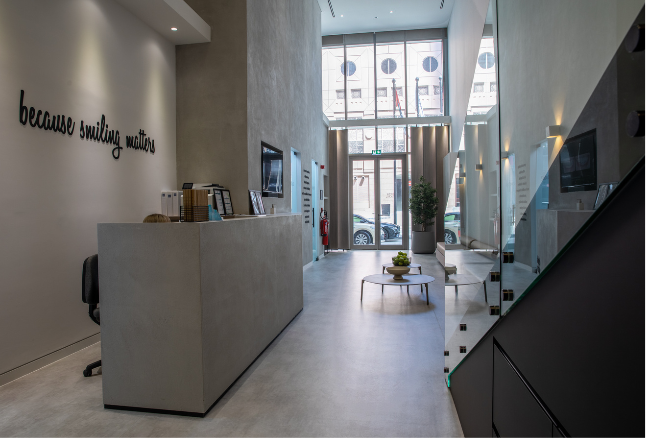
For people looking for a dental clinic in Dubai Marina Gate, it helps to think about how those conversations will work. Dental Studio’s Marina Gate clinic in Dubai emphasises listening and clear explanations, two aspects of a visit that matter when the patient and dentist have different first languages.
What can patients ask a dental clinic in Dubai Marina Gate about language before booking?
The useful question is which language can be used during the clinical discussion. The person who answers a message or takes a booking may speak a different language from the clinician who will conduct the appointment. If a patient prefers to discuss health information in a particular language, they can ask who will see them and whether that language will be available for the examination and the explanation afterwards. That question is more specific than asking whether the clinic is multilingual.
Some patients are comfortable speaking English as long as the dentist avoids technical vocabulary or gives them time to ask questions. Others may need language support for the whole appointment. If that is the case, it is worth checking in advance what the clinic can arrange and whether support will be available when the findings are discussed. Nationality or country of training alone gives little indication of which languages a clinician uses in practice.
How can a patient describe a dental concern without knowing the technical words?
A description of when and where something happens is often more useful than a technical term. Someone who cannot recall the word for a sensation can say that it happens when they drink something cold, when they bite on one side or when the toothbrush touches a particular spot. They can point to the area and explain whether the feeling passes quickly or continues. This gives the dentist a description to work from and leaves room for more specific questions.
Patients who find it difficult to explain several details at once can prepare a short note in their own words. It can record roughly when the concern began and give one example of when it occurs. If the patient uses a translated phrase, they can also describe what they mean in a different way or show where they feel it. A word like “sensitive” can cover several experiences, and a concrete example helps the dentist understand which one the patient is describing.
When can an interpreter help during a dental visit?
An interpreter can be useful when the conversation involves information the patient needs to understand before making a decision. A patient may be able to describe the reason for the visit and still need help following a detailed explanation or asking about an uncertainty. When professional interpretation is available, it can help preserve the meaning of questions and answers in both directions. Patients can check beforehand whether the clinic offers any language support or whether they would need to make their own arrangements.
A relative or friend may help with practical details or remind a patient of questions they wanted to ask. When sensitive information comes up, it helps to clarify what the patient is comfortable sharing in front of another person. A patient may also want the clinician to address them directly and leave time for them to respond. The person providing language support should make it easier for the patient to take part in the conversation and express their own preferences.
How can a dentist make a finding easier to understand?
A useful explanation starts with what the dentist can see and where it is. If an image or diagram is available and relevant, pointing to the area can help the patient connect the explanation to a specific tooth or part of the mouth. The clinician can then explain what the finding might mean in everyday language and whether anything remains uncertain. This gives the patient a clearer starting point than hearing an unfamiliar term on its own.
It can also help to check the meaning of a word in context. A patient may recognise the word “review” but be unsure whether it means the dentist wants to look again at a later date or needs more information now. Asking what will happen at that review and when it is expected can resolve the ambiguity. A question tied to the patient’s circumstances is also easier to answer than a general request to repeat the explanation.
How can patients check that they understood the next step?
A patient can say back what they understood in their own words. For example, they might explain that the dentist wants to look at the same area again after a certain interval and ask whether anything should prompt an earlier appointment. This gives the clinician a chance to correct a misunderstanding while both people are still discussing the same finding. The approach is useful when a conversation has moved between languages or when several pieces of information were given together.
Where practical, a short written summary can help the patient check the details afterwards. What matters is that it identifies the area discussed, any action agreed and the timing of the next contact. Written wording can still be unfamiliar, so it is useful to check the key terms before leaving. If the patient is asked to make a decision, they should have the opportunity to clarify what they are agreeing to and raise any remaining questions.
What should patients look for in a dental clinic in Dubai Marina Gate when language matters?
The most useful conversations give patients time to describe the concern, follow the explanation and check that they have understood the next step. At Dental Studio, the clinic’s stated emphasis on listening and clear explanations is relevant to each part of that exchange. Confirming the language arrangements before the visit and asking for clarification during it can help patients leave with an account of what was found and what has been agreed.